



Concept of Gusset plate
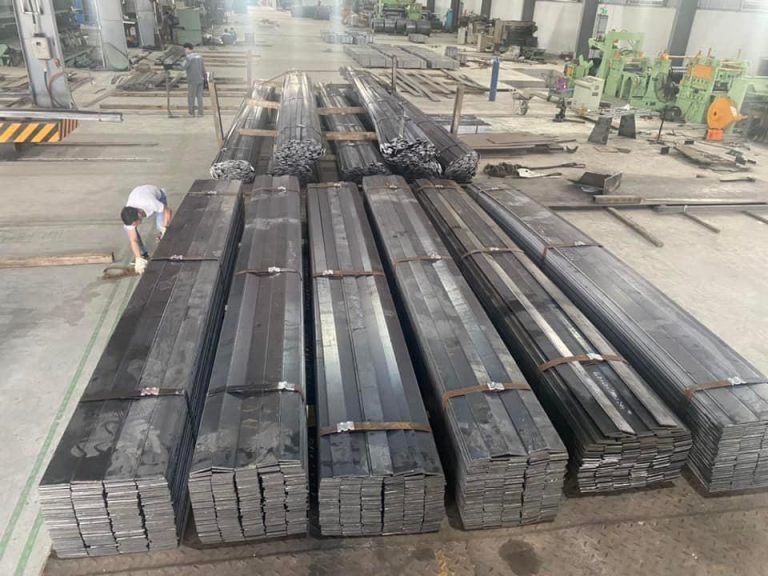
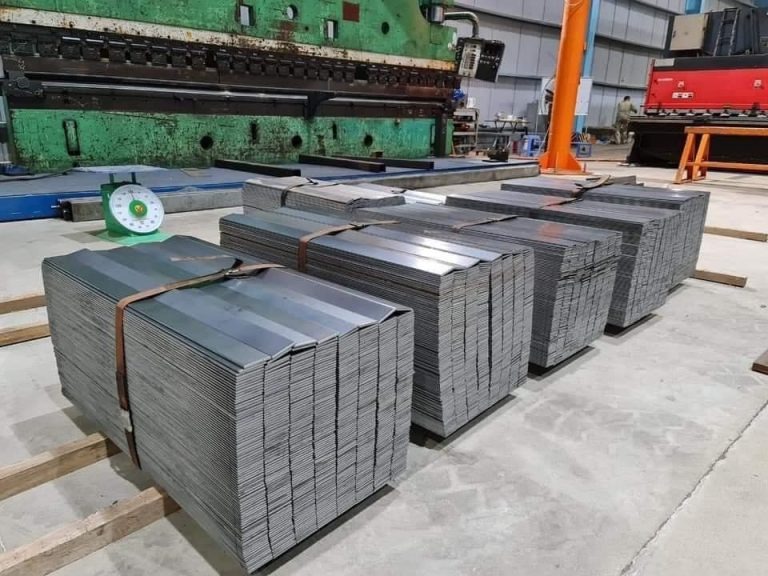
A gusset plate, a steel gusset plate, a stair stringer plate, etc., is a steel sheet welded into a square box shape and positioned at the end of concrete piles. The primary purpose of a gusset plate is to weld and connect two concrete piles while driving them into the ground. It also serves as a fixed ledge for anchoring bolts, screws, or other fasteners, creating a secure connection between independent structures or aiding in alignment within a design structure. Gusset plates are used at joints, bending points, or discrete connections to transfer stress between the participating components, enhancing their relationship and grip strength. There are various methods for securing gusset plates, the most common being welding, bolts, or rivets. Gusset plates are widely employed in constructing bridge columns, foundation piles for buildings, high-rises, and bridge abutments.
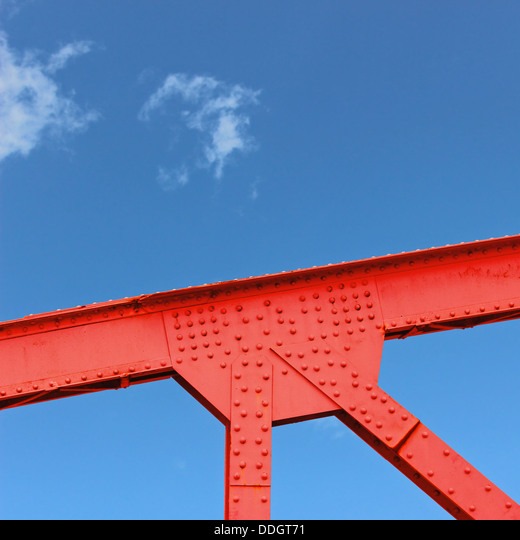
The Structure of Gusset Plates
Gusset plates have a straightforward and varied structure. Commonly encountered gusset plates in practical applications are often square, rectangular, or trapezoidal, with perforated surfaces for bolt passage. In addition, triangular, circular, oval, or custom-shaped gusset plates may also suit various connection joints and edges of beams and columns. Generally, the shape, size, and thickness of gusset plates depend significantly on the design of the steel structure, the forces, and the loads it carries. They must encompass all the welding connections of the truss members, with the angle between the gusset plate's edge and the truss axis not less than 15 degrees, to ensure the transfer of forces from the members to the gusset plates.
Therefore, in practice, the selection of gusset plates is calculated and chosen carefully, taking into consideration the overall characteristics of the project, including construction location (e.g., whether the gusset plate is used for column bases or as a bolted connection gusset plate), the environment (e.g., whether it's in a dry or wet area), project design, structural load-bearing requirements, and more.
Materials used for gusset plates:
Gusset plates are typically made from various materials, including cold-rolled steel, stainless steel, galvanized steel, among others. Among these, galvanized steel gusset plates offer high corrosion resistance and possess excellent hardness and durability.
Thép SS400 is a type of steel commonly used for gusset plates. With its high hardness and tensile strength, gusset plates made from SS400 steel are specifically used in the construction of prefabricated steel buildings or various industrial projects. To enhance the gusset plate's protective properties, it can be painted after installation, just like the entire steel structure of construction and architecture.
In addition, gusset plates can also be made from copper or aluminum (though this is less common). Gusset plates made from these materials are typically suitable for smaller structures with lower load-bearing requirements.
Methods of cutting gusset plates
There are various methods for cutting gusset plates, each with its own characteristics and advantages. For example:
Plasma cutting of gusset plates
This cutting method is known for its high cutting speed and productivity. However, it has the disadvantage of producing irregular cut lines, and beveling can occur along the cut edges, which becomes more pronounced with increasing thickness of steel plates, affecting the aesthetics.
Cutting gusset plates with laser cutting method
Laser cutting is a method that uses a laser beam to focus directly on the surface of the workpiece, transferring heat into the material. This heat causes a phase change, either melting or vaporizing the portion of the material in contact with the laser, creating a void on the workpiece's surface.
The laser-cut surface has the advantage of high precision and aesthetics, requiring minimal post-processing compared to plasma cutting.

Cutting gusset plates using the oxy-gas cutting method
This is a long-standing method capable of cutting very thick steel plates. However, this method has the drawback of creating a high level when cutting thick steel plates.
Water jet cutting method
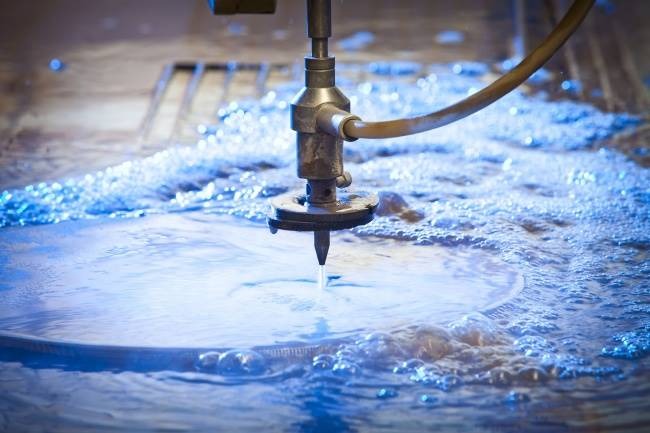
Also known as hydraulic water jet cutting, this method leverages the immense pressure of a water jet to cut steel. The advantage of this method is that it produces minimal and smooth cut parameters. The cutting process does not generate heat, preventing material deformation. However, this method is relatively expensive due to other cutting methods' operating and processing costs.